What is a UPVC Casement Door?
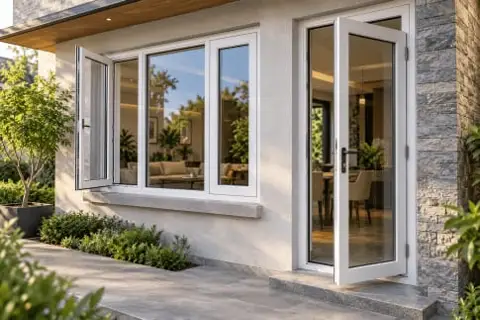
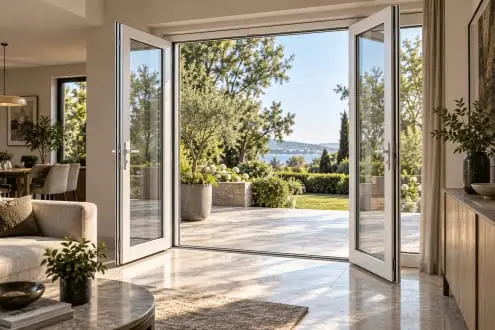
A UPVC Casement Door is a hinged door system made with a uPVC frame. The operable door leaf opens inward or outward from hinges fixed along one side.
UPVC Solutions
UPVC Casement Door
UPVC Casement Doors are hinged door systems designed for practical access, ventilation and architectural flexibility. They are suitable for homes, villas, balconies and selected commercial spaces where a side-hinged opening is preferred. Deltra Global provides uPVC door solutions with project-specific configuration, glazing, finish and installation support.
A UPVC Casement Door is a side-hinged door system that opens from hinges fixed along one side of the frame. It provides a conventional opening movement while allowing the door design, glazing and finish to be coordinated with the surrounding architecture.
Casement doors are particularly useful where there is sufficient space for the door leaf to swing and where direct access is preferred over a sliding mechanism.
The final configuration can be planned according to the opening dimensions, application, required opening direction, glazing, finish and hardware.
A UPVC Casement Door typically combines a uPVC frame, operable door leaf, hinges, glazing or approved infill, hardware and associated sealing components.
The door leaf operates on hinges and can be designed for inward or outward opening depending on the selected system and project layout.
Exact components and technical specifications should be confirmed against the selected APL Apollo/system documentation.
The configuration of a casement door should be selected according to the opening size, access requirement and available space.
A single operable leaf provides a straightforward hinged opening and is suitable for conventional openings where adequate swing clearance is available.
Two operable leaves can be considered for wider openings where the selected system supports a double-door arrangement.
A fixed section can be combined with an operable door leaf where additional glazing or visual openness is required without making the complete opening operable.
Larger or architecturally specific openings can be evaluated based on actual site dimensions and the capabilities of the selected uPVC system.
The side-hinged mechanism provides a familiar and practical method of opening and closing.
The opening direction can be planned around the room layout, circulation and available clearance.
Glazed configurations can be considered where daylight, visibility or visual connection is important.
Frame finish, glazing and hardware can be selected to complement the overall architectural design.
uPVC frames offer a practical alternative to painted timber frames and do not require routine painting in the same manner.
Depending on the selected system, configuration and project requirements, casement doors can be considered across residential and selected commercial applications.
A UPVC Casement Door is not limited to one visual configuration. The final appearance can be developed around the architectural requirements of the project.
Glazing selection can be based on the desired balance of daylight, privacy, appearance and functional requirements.
The frame finish should be coordinated with adjacent windows, doors, interior finishes and the overall architectural palette.
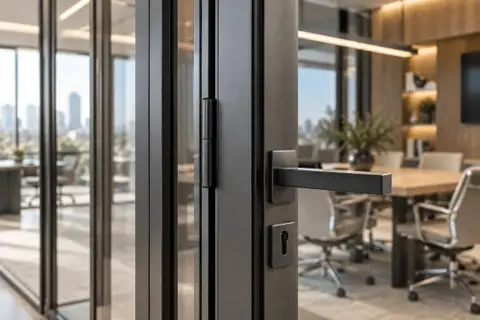
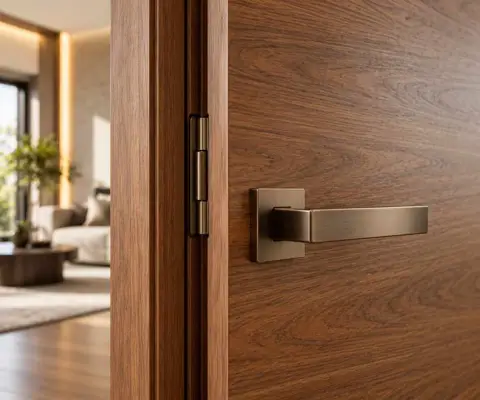
Handles, hinges, locking components and other hardware should correspond with the selected door configuration and intended usage.
The opening direction should be planned carefully to avoid interference with furniture, walls, circulation paths or adjacent doors.
Exact glazing, finish and hardware availability should be confirmed from the approved system documentation before final specification.
UPVC Casement Doors can be used in suitable openings within:
Where the approved system is suitable, casement doors can also be considered for:
Casement configurations can also be evaluated when replacing an existing hinged door, subject to opening dimensions and installation conditions.
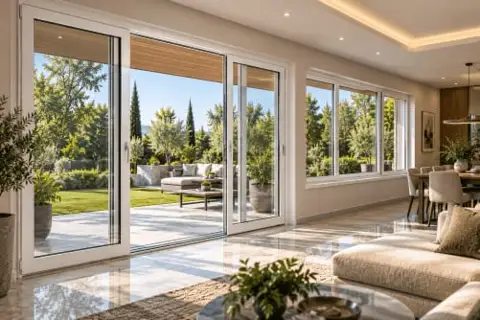
Both UPVC Casement Doors and UPVC Sliding Doors can be suitable for different types of openings. The main difference is how each door operates and how much space is available around the opening.
The choice between a UPVC Casement Door and UPVC Sliding Door depends on the available space, opening dimensions, circulation requirements and preferred operating style.
Choose a casement door when hinged movement and adequate swing clearance are available. Consider a sliding door when avoiding a conventional swing path is more important and sufficient side space is available for the sliding panels.
For project-specific selection, the opening dimensions and intended application should be assessed before finalising the door configuration.
Before finalising a UPVC Casement Door, consider:
Opening dimensions
Measure the actual width and height of the opening.
Swing clearance
Ensure sufficient space is available for the door leaf to operate.
Opening direction
Determine whether inward or outward operation works better for the layout.
Door configuration
Select single, double or fixed-plus-operable configuration according to the opening.
Glazing requirement
Consider daylight, privacy and visual connection.
Finish
Coordinate the frame appearance with the architectural design.
Hardware
Select suitable hardware based on configuration and usage.
Installation conditions
Existing wall conditions, threshold details and surrounding construction should be assessed before installation.
For projects in Hyderabad, the selection of a UPVC Casement Door should be based on the actual opening, application and architectural requirements rather than a standard configuration alone.
Homeowners, architects, builders and project teams can share:
This allows the appropriate configuration to be evaluated before quotation and installation.
A UPVC Casement Door is a hinged door system made with a uPVC frame. The operable door leaf opens inward or outward from hinges fixed along one side.
They can be suitable for balconies where a hinged opening is practical and sufficient swing clearance is available.
Yes. Glazed configurations can be considered depending on the selected uPVC system and approved glazing options.
Yes. Unlike sliding doors, a casement door requires sufficient clearance for the door leaf to open.
The configuration can be planned according to project dimensions, opening arrangement, glazing, finish and hardware, subject to the selected system.
Yes, they can be considered for suitable villa openings where hinged operation and the required swing clearance are available.
A casement door opens on hinges, while a sliding door moves horizontally along a track. The choice depends mainly on the available space and required opening movement.
Opening dimensions, application, drawings or layout, preferred configuration, glazing requirements and finish preferences are useful for evaluating the suitable solution.
They can be considered for selected commercial applications where the approved uPVC system and door configuration are suitable for the project.
Deltra Global provides uPVC window and door solutions in Hyderabad and can discuss the suitable casement-door configuration based on the project requirements.
Customer reviews
★ 0.0 (0 reviews)
Loading reviews...
Similar Picks